
Oscoda Arrest Reports Lack a Blotter
The Oscoda County Sheriff posts no 72-hour, seven-day, or weekly arrest log. Mio has no municipal police department. The county seat is unincorporated, so no city blotter exists there either. That makes the Sheriff the county's arrest agency. A housing agreement currently sends inmates to Roscommon County.
So there is no date-sorted official feed for Oscoda County. The practical route is to build a multi-day arrest record from the agency file, jail status, and court docket. News stories can add detail. They cannot replace the official chain, though.
Read Oscoda Arrest Records in Order
Start with the widest date range that fits. Then narrow toward the specific arrest event. This differs from a same-day custody check, since a person may have been released or moved to another jail by the time you search.
- List the full name, likely arrest dates, arresting agency, and any incident or case number.
- Check the Roscommon JailTracker roster for present custody only.
- Search MiCOURT in the proper court for a public case entry.
- Ask the Oscoda Sheriff for the arrest report, booking card, and transfer or release record.
- Check dated local reporting only after the official sources, noting the publication date and any later correction.
Roster misses are common after release. For an older arrest report, a records request is the durable route. The court fills in the later history. The official MiCOURT search opens that public court-side view.
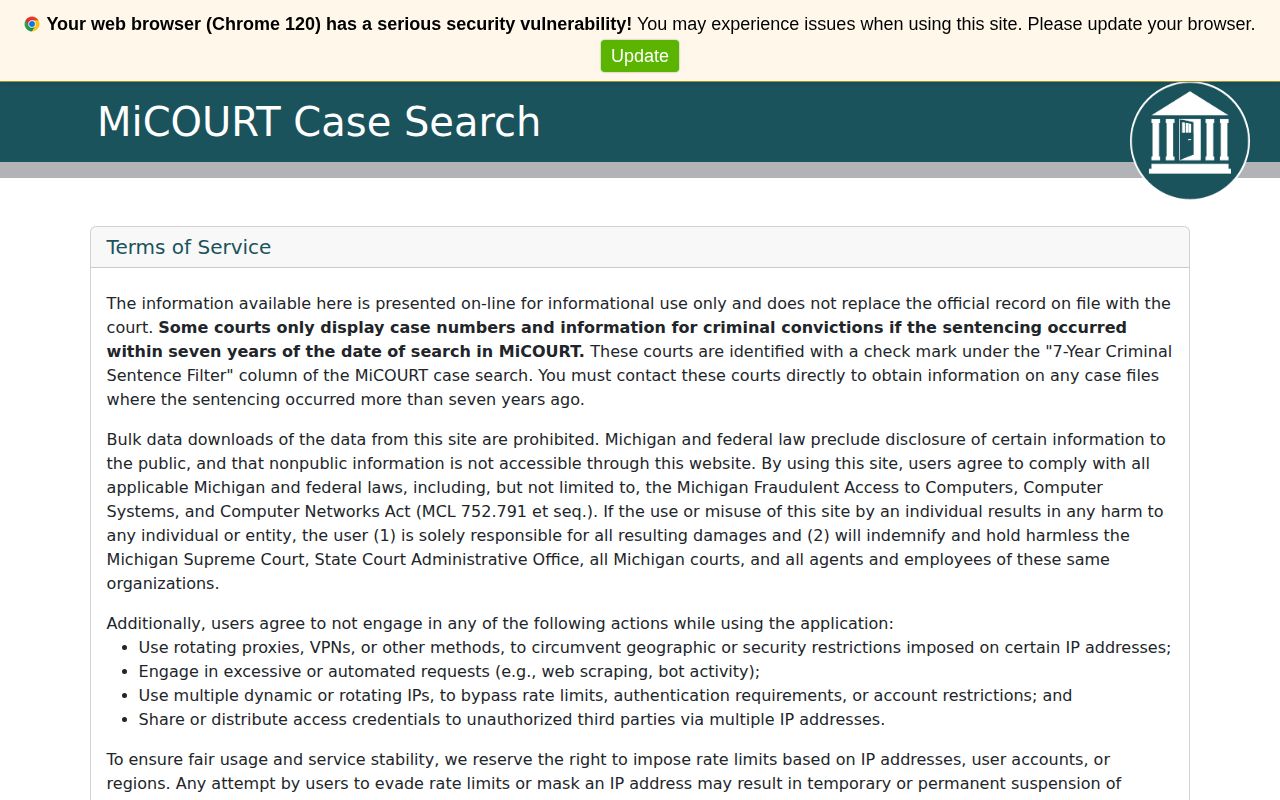
Oscoda arrest records read best in sequence. Start with the booking, then match it to the public court file that follows.
What Oscoda Arrest Reports Contain
No public Oscoda log defines a standard display format. Ask for specific records instead of every file on a person. The useful fields live with the arresting agency, the jail file, and the court.
| Field | Use |
|---|---|
| Full name and aliases | Matches the correct subject |
| Arrest date, time, and location | Defines the event and report range |
| Arresting agency | Identifies the incident-report holder |
| Booking or incident number | Connects related records |
| Charges as booked | Shows charges at intake |
| Bond and conditions | Explains possible release terms |
| Transfer or release date | Explains why a roster entry disappeared |
| Court and case number | Leads to the later disposition |
A booking photo may sit in a sheriff file under Michigan FOIA, unless an exemption applies. The county publishes no online photo rule or blotter-photo practice. Treat a news image as a booking photo only if the publisher names its source.
Oscoda News Is Story Based
For county-local news, the Oscoda County Herald is the strongest route. Up North Voice's Oscoda section carries regional items too. Neither outlet runs a complete arrest blotter. Stories pick selected incidents. Routine arrests often go unreported.
A regional piece may quote a police release, but publication lag and editor choices still shape it. Note the story date and keep it apart from the arrest date. Charges can change after the first report, so check the court. The Herald news page shows this article-based format.
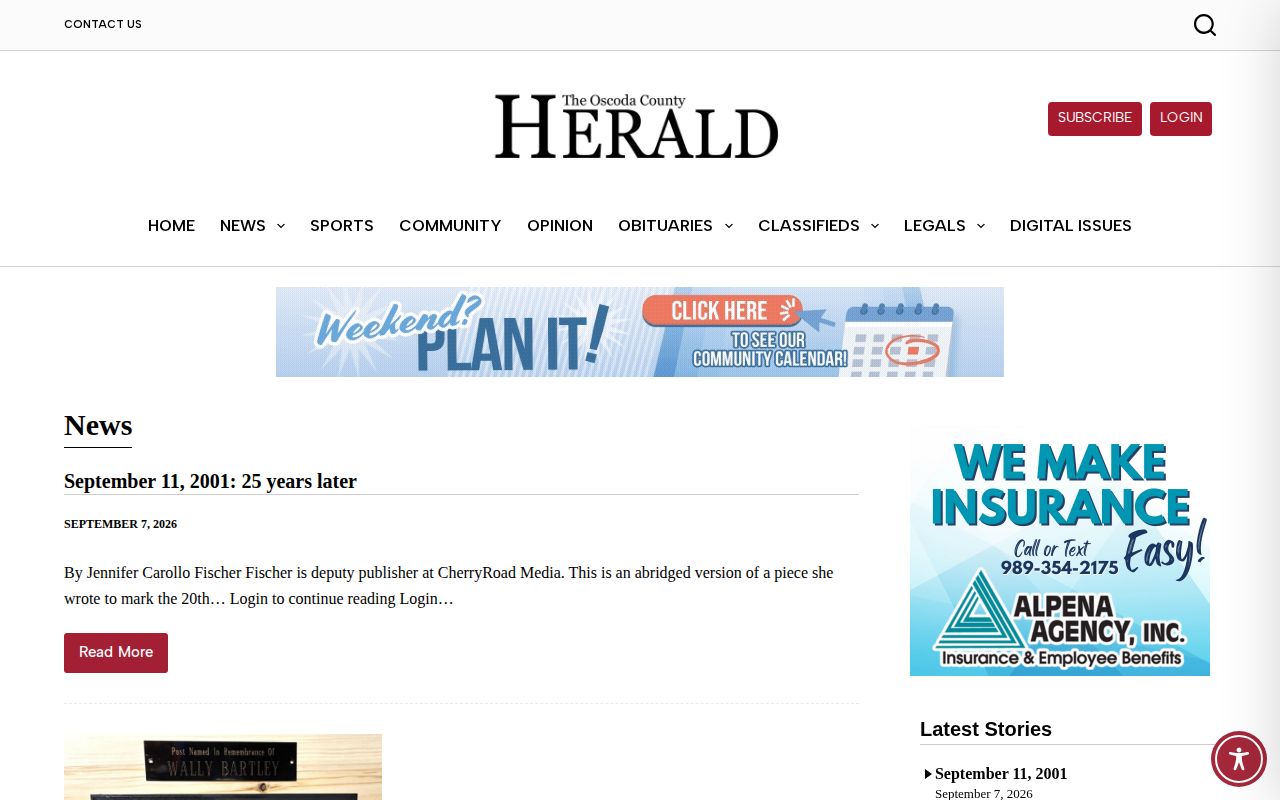
That page is a channel for dated reporting, not an official list of people arrested. The Up North Voice Oscoda page offers a second, irregular local source.
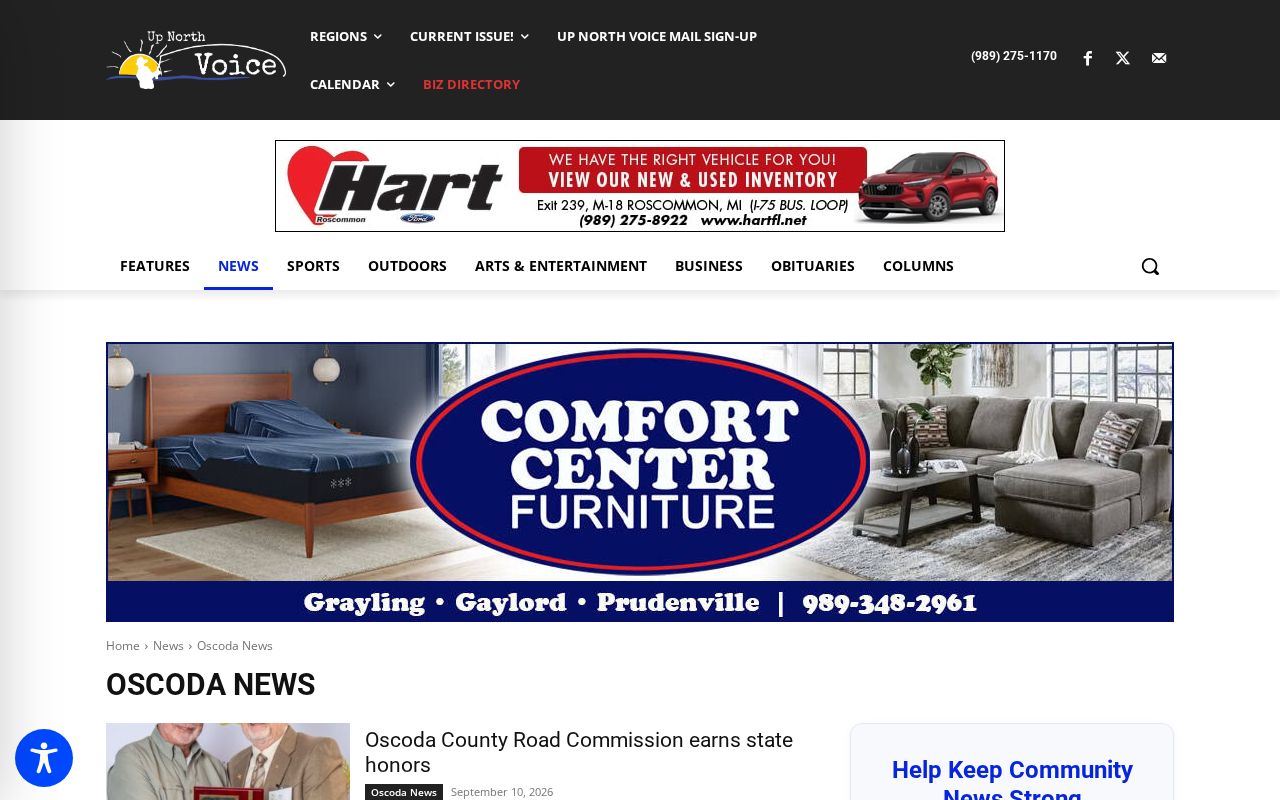
Check its reports against the Sheriff and the court record first.
Older Oscoda Arrest Reports
A date may fall outside any live roster. When that happens, turn to the Oscoda Sheriff FOIA request page. Give a narrow date range. Add the full name, the arresting agency, and any known case number. Name the items you want. Those might be an arrest report, booking card, charge and bond details, or release and transfer records. Ask for electronic copies plus a fee estimate.
Michigan General Schedule 11 sets records-management periods, not search windows. Booking and control-center logs are kept through the calendar year plus seven years. Jail inmate jackets have a longer span. They are kept until release plus ten years. These jackets include booking cards, mug shots, arrest cards, court papers, bonds, warrants, and release forms. Retention does not guarantee a record is public, online, or still held by one custodian.
For older context, the Archives of Michigan county guides can point to archival holdings. It is not a recent-booking database.
Note: A retention period governs agency custody. It does not set how long an arrest stays visible on a public website.
Unofficial Oscoda Listings Need Caution
Stick with official sources first. A historical Mugshots.com Oscoda County page still surfaces, but its entries cluster around older years. That site is unofficial, and stale listings can't show a recent arrest or current custody. Other large booking aggregators offer no solid Oscoda County section either. A secondary jail directory proves nothing about a live local feed. Errors creep into third-party data. Expect duplicates, wrong locations, and missing outcomes. For who was arrested in Oscoda County lately, trust the sheriff and court records themselves.
Court Outcomes Complete Arrest Reports
Two courts finish what an arrest starts. The 81st District Court takes district-level criminal matters and the earliest proceedings, while the 23rd Judicial Circuit Court handles felonies and the more serious charges. MiCOURT offers a public register of actions for many cases. Juvenile and sealed matters stay out. Treat it as a convenience, not a certified record. For a complaint, docket, disposition, or anything official, ask the clerk directly.
Dates deserve close attention in Oscoda County. Arrest, booking, transfer, filing, and hearing dates can all land on different days, and a weekly search sorted by publication date may push an older incident into fresh results. A filing can also trail an arrest by weeks. Match the agency, the event date, and the case number. A name alone is a weak thread.
The county's cross-county housing path rewards that discipline. The Sheriff keeps the incident and intake material. Roscommon may hold the later jail record. The court holds the final outcome. Asking each custodian for its own piece prevents the false assumption that one office keeps a complete public blotter.